How to choose the right dog food for your dog
Choosing dog food isn’t always straightforward, and it’s completely normal to feel unsure. The best dog food for dogs depends on your dog’s individual needs, rather than a one-size-fits-all approach.
When deciding, it helps to consider:
- Life stage: puppies, adults and senior dogs all have different nutritional requirements
- Size and activity level: active and working dogs will have a higher energy requirement.
- Health considerations: such as joints, skin or digestion
- Digestion and sensitivities: some dogs benefit from a highly digestible diet or might require exclusion of certain ingredients
- Body weight and condition: maintaining a healthy weight supports long-term wellbeing
Nutritionally balanced dog food can help support:
- healthy digestion
- consistent energy levels
- muscle maintenance
- skin and coat condition
- overall wellbeing
Focusing on your dog’s age, lifestyle and comfort can help you make a confident, informed choice.
Best dog food for different life stages
Dogs’ nutritional needs change as they grow, so their diet should adapt over time. Feeding complete dog food that is tailored to each life stage helps support development, maintenance and healthy ageing, while promoting digestion, energy levels and overall wellbeing.
Best dog food for puppies
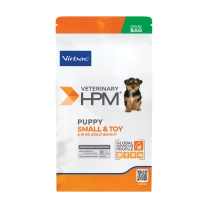
Puppies grow rapidly and need higher levels of energy, protein and minerals to support this stage. Their nutrition should help support bone development, muscle growth and a healthy immune system.
Diets designed for puppies often include smaller kibble sizes and highly digestible ingredients to suit developing digestive systems.
You can find suitable options within our puppy nutrition range.
Best dog food for junior dogs
Junior dogs are moving through an important transition between puppyhood and adulthood. Nutrition at this stage helps support continued muscle development, digestive health and balanced energy levels.
Diets designed for junior dogs help maintain steady growth and a healthy body condition as activity increases.
See our junior dog food selection for options suited to this stage.
Best dog food for adult dogs
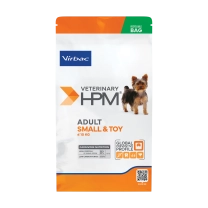
Adult dogs benefit from balanced nutrition that helps maintain energy levels, muscle condition and neuter status. Diets should support digestive health, stable body weight and healthy skin and coat.
A balanced intake of protein, fats, carbohydrates, vitamins and minerals helps support everyday health.
Browse our adult dog food range for everyday nutrition.
Best dog food for senior dogs
As dogs age, their metabolism and activity levels may change. Senior dogs may benefit from nutrition that supports healthy weight, joint support and digestion.
Highly digestible diets can help older dogs absorb nutrients effectively while maintaining energy levels and overall wellbeing.
View our senior dog food range for later life support.
Best dog food for common health and wellbeing needs
While all dogs benefit from balanced nutrition, some may have specific needs that influence the type of dog food that suits them best. Tailored diets can help support comfort, daily wellbeing and quality of life.
If your dog has a diagnosed condition, it’s always best to follow your vet’s guidance when choosing their diet.
Best dog food for sensitive digestion
Some dogs have more sensitive digestive systems than others. Diets designed to support digestive comfort often include highly digestible ingredients and carefully balanced nutrients to help maintain stable digestion and support nutrient absorption. Some are also formulated for dogs with food sensitivities.
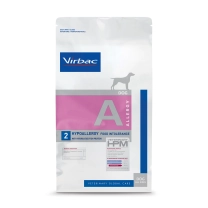
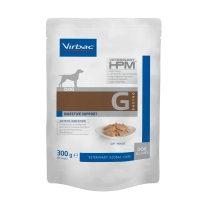
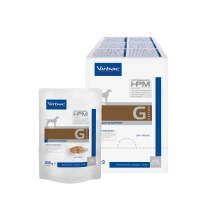
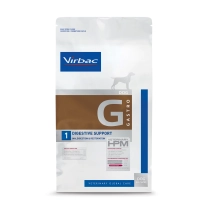
Supportive options are available within our digestive and gastro range, alongside a carefully developed hypoallergenic nutrition option for dogs with suspected food sensitivities.
Digestive health in dogs can affect their comfort, appetite and overall wellbeing, so choosing the right nutrition can play an important role in day-to-day support.
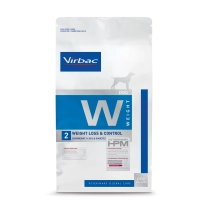
Best dog food for weight management
Maintaining a healthy weight plays an important role in your dog’s long-term wellbeing. Dogs prone to weight gain may benefit from diets with controlled energy levels, helping support a healthy body condition while still feeling satisfied after meals.
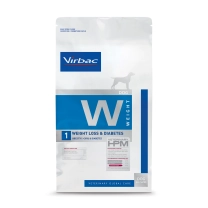
Take a look at our weight management range for suitable choices.
Best dog food for joint support
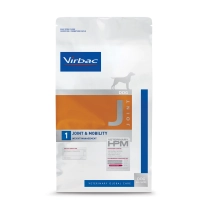
Nutrition can help support joints and mobility, particularly for active, large-breed or ageing dogs. Balanced nutrients play a role in maintaining healthy joints and supporting comfortable movement as part of everyday wellbeing.
You can find our specially formulated diet in our joint support range.
Best dog food for skin and coat health
Your dog’s diet contributes directly to their skin and coat condition. Carefully balanced nutrients can help support skin health and maintain a glossy coat.
Our skin and coat nutrition diet is designed to help support skin health and coat condition.
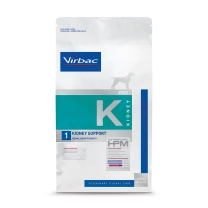
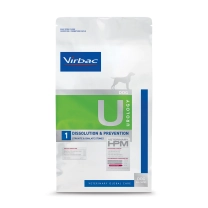
Nutritional support for urinary and kidney health
Some dogs may benefit from diets formulated to support urinary tract health or kidney function. These diets are often used under veterinary guidance, particularly when dogs have specific health considerations.
You can learn more by visiting our kidney support diet and urinary support diet.
What should I look for in dog food?
Understanding the basics of nutrition can make choosing dog food much clearer.
Dogs need a balance of:
- Protein to support muscle maintenance
- Fats for energy and skin health
- Carbohydrates for additional energy
- Vitamins and minerals to support normal body function
Digestibility and ingredient quality are also important, as they affect how well your dog can absorb nutrients from their food.
It’s helpful to understand the difference between:
- Complete dog food: provides all the nutrients your dog needs when fed as directed
- Complementary food: needs to be fed alongside other foods to provide full nutrition
Feeding guidelines on packaging can help you provide appropriate portions based on your dog’s weight, age and activity level. If your dog has specific health needs, your vet can help guide your choice.
Is dry dog food enough for dogs?
Dry dog food can provide complete and balanced nutrition when it’s properly formulated. Many dry dog food diets are designed to support everyday health and are convenient to store and measure.
Dry food can also:
- make portion control simple and consistent
- be easy to store, transport and measure
- provide reliable, balanced nutrition
The most important factor is not the format of the food, but whether it provides complete and balanced nutrition suited to your dog’s individual needs.
Choosing the right nutrition for your dog
Choosing the right dog food plays an important role in supporting your dog’s long-term health and wellbeing. By selecting nutrition that matches your dog’s age, lifestyle and individual needs, you can help support their comfort, energy and overall quality of life.
Browse our dog food range to find balanced nutrition designed to support your dog at every stage of life, or visit our dog health and nutrition advice hub for more guidance.
Dog food FAQs
What is the best dog food for dogs?
The best dog food for dogs depends on your dog’s life stage, size, activity level and health needs. A complete and balanced diet that suits your dog’s individual requirements will help support their overall wellbeing.
How do I choose dog food for my dog?
Start by considering your dog’s age, lifestyle and any specific needs such as digestion or weight. Choosing nutritionally balanced dog food that matches these factors can help support everyday health and wellbeing.
Can dogs eat the same food throughout their life?
Dogs’ nutritional needs change as they grow, so their diet should adapt over time. Feeding life-stage appropriate dog food helps support development, maintenance and healthy ageing.
Some dogs may also require a long-term clinical diet to help manage specific health conditions. In these cases, it’s important to make sure the diet is appropriate for your dog’s life stage and individual nutritional needs, with guidance from your vet.
How much dog food should I feed my dog?
The amount depends on your dog’s weight, age and activity level. Feeding guidelines on packaging provide a helpful starting point, but your vet can offer more tailored advice if needed.