
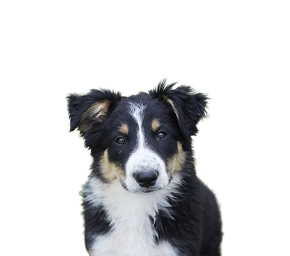
Puppy Food
Complete and balanced Virbac puppy food developed with veterinary expertise to support healthy growth and development. Tailored VETERINARY HPM nutrition for small, toy, medium and large breed puppies.
Complete and balanced Virbac puppy food developed with veterinary expertise to support healthy growth and development. Tailored VETERINARY HPM nutrition for small, toy, medium and large breed puppies.
Sort by
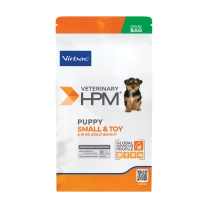
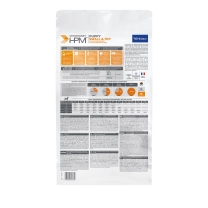
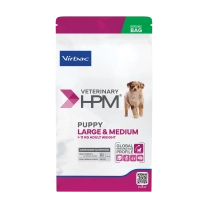
3 kg - 7 kg - 12 kg
From £26.50Choosing the right puppy food is one of the most important decisions you’ll make during your dog’s early development. Puppies need nutrition that’s designed for growth, and their expected adult size can affect which formula suits them best.
Your puppy isn’t simply a smaller adult dog. During early life, they need more energy and carefully balanced nutrients to support developing muscles, bones, natural defences and brain function. Their digestive system is also still developing, which makes digestibility particularly important.
We offer two VETERINARY HPM complete dry puppy foods. One for small and toy breeds and one for medium and large breeds. Both Virbac puppy food options are designed to support healthy development while helping you choose nutrition that fits your pet’s growth stage.
Choosing the best puppy food for your pet means matching it to their age, expected adult size, growth stage, body condition and individual needs.
Your puppy’s current weight matters, but it doesn’t tell the whole story. Their expected adult weight is often more useful when you’re choosing between food for small and toy breeds or medium and large breeds.
Consider:
If your puppy has ongoing digestive problems, unusual growth patterns or another health concern, speak to your vet before changing their food.
You can also explore our wider range of dog food to compare nutrition for different life stages and needs.
Puppy food should provide complete and balanced nutrition formulated to support growth and development when it’s fed according to the product guidance.
Rather than judging a food by one ingredient or nutrient, look at whether the complete nutritional profile suits a growing puppy.
Key things to consider include:
The right choice should support your puppy’s development as part of a wider routine that includes veterinary care, suitable exercise, rest and socialisation.
Complete puppy food provides the essential nutrients a growing dog needs in the right proportions when it’s fed according to the instructions. It’s designed to be their main daily food throughout the relevant growth stage.
Puppies need more than calories alone. A life-stage diet brings together protein and energy for growth, balanced minerals for developing bones and nutrients such as DHA to support brain development. Ingredients such as beta-glucans can also help support natural defences while your puppy’s immune system continues to develop.
Digestibility is important too, as your pet’s digestive system is still maturing. A complete puppy food should deliver these nutrients in a form their growing body can use effectively.
This is different from complementary food, which may not provide everything your puppy needs on its own. You should also avoid adding supplements unless your vet recommends them, as unnecessary supplements can change the nutritional balance of a complete diet.
Puppy food should be chosen according to expected adult size because puppies of different breed sizes grow at different rates and for different lengths of time.
Small and toy breed puppies usually reach maturity sooner, while medium and large breeds continue growing for longer. Larger puppies also need carefully balanced energy and mineral nutrition to support steady development as their bones and joints grow.
Our puppy range is split into two options, helping you choose food based on your puppy’s expected adult weight.
Virbac Puppy Small & Toy is complete dry puppy food for dogs expected to weigh up to 10kg as adults. It’s suitable for puppies up to 10 months old and can also be used for pregnant or lactating dogs under 10kg.
The formula is designed for the faster growth pattern and nutritional needs of smaller puppies, and supports:
Virbac Puppy Large & Medium is complete dry puppy food for growing large and medium breed dogs.
It’s suitable for large breed puppies with an expected adult weight above 25kg up to seven months old, and for medium breeds with an adult weight from 11 to 24kg up to six months old, before transitioning onto either our Junior Large or Junior Medium diet.
Our Puppy Large & Medium food is designed around the longer growth period and different nutritional needs of puppies that are expected to reach a larger adult size and is formulated to support:
Suitable puppy nutrition supports the rapid physical and behavioural development that takes place during early life.
A complete puppy food can help provide:
Food is only one part of healthy development. Your puppy also needs suitable portions, regular veterinary care, age-appropriate exercise, enough rest and positive training and socialisation.
Our wider dog healthcare range can help you support other parts of your puppy’s everyday care routine.
The right quantity and feeding frequency depend on your puppy’s age, current weight, expected adult size, body condition and the energy content of their food.
Use this simple approach.
Feeding tables are a useful starting point, but every puppy is different. Their needs may change as they grow, become more active or move towards their next life stage, so the more nutritional advice you get, the better.
Our advice is that it’s always best to introduce new foods gradually. Try mixing a small amount of the new puppy food with your pet’s current food, gradually increasing the amount until they’re exclusively eating the new food.
Use the following schedule as a guide for a successful transition:
Avoid changing food suddenly unless your vet advises you to do so.
A puppy should move to junior food when they’ve reached the stage recommended for their breed size, expected adult weight and current product, rather than at one fixed age for every dog.
With our VETERINARY HPM range, we recommend that small breeds transition to one of our Small and Toy adult diets at 10 months of age.
For medium breed puppies with an estimated adult weight of 11 to 24kg and large breed puppies with an estimated adult weight of over 25kg, we advise they move to a junior diet at the of six months and seven months respectively.
This is because small and toy breeds don’t mature at the same rate as medium or large breeds, so always check the instructions for the food you’re using.
Your dog’s nutritional needs will continue to change after puppyhood.
Junior food can support dogs that are still developing beyond the early puppy stage. Once they’ve finished growing, adult dog food is designed to support everyday maintenance, before they eventually move on to senior dog food.
The right time to move between life stages depends on your dog’s size, development and individual needs. Check the product guidance and speak to your vet if you’re unsure.
The right puppy food should match your puppy’s growth stage and expected adult size.
We offer complete dry puppy food for small and toy breeds, as well as a separate formula for medium and large breeds. Both options are designed to support growing puppies when they’re fed according to the product guidance.
Choose the Virbac puppy food developed for your puppy’s expected adult size and support their growth with complete, balanced daily nutrition.
There isn’t one best puppy food for every dog. The right choice is a complete and balanced puppy food that matches your pet’s age, expected adult size, growth stage, body condition and individual needs. It should provide suitable protein, energy and balanced nutrients for development. Your vet can help if you’re concerned about growth, digestion or another health issue.
Yes, where the food range is formulated by expected adult size. Small and toy breeds can grow at different rates from medium and large breeds, so you should use expected adult weight and product guidance when choosing a formula.
The amount depends on the specific food, your puppy’s age, current weight, expected adult size, activity and body condition. Start with the product feeding table, then monitor growth and body condition and adjust only in line with the guidance or your vet’s advice.
Younger puppies usually need their daily food divided into several meals. The number of meals can change as they grow, so follow the guidance for the product you’ve chosen and ask your vet if you’re unsure.
Adult dog food is designed for maintenance rather than growth, so it may not provide the higher energy levels and balance of nutrients needed during development. Puppies should usually eat complete food formulated for their growth stage until they’re ready to move on according to their breed size and product guidance.
The timing depends on breed size, expected adult weight and the puppy food you’re using. There isn’t one exact age for every dog, so check the product instructions and make the change gradually when your puppy reaches the recommended stage.
Introduce the new food gradually by mixing it with the current food and increasing the proportion over several days. Monitor your puppy’s appetite, stools and comfort. Speak to your vet if digestive signs are persistent or severe.
Order Direct From The Manufacturer
Express Delivery To Your Door!
Free Delivery On Orders Over £70
Subscribe & Save 10% On Every Order