Vet-approved kitten and junior cat food
Choosing the right kitten food can feel more difficult than you might expect. When your cat’s still growing, feeding decisions often come with questions about portion size, timing and whether to choose dry or wet food. That uncertainty is completely normal.
From early development through to around 12 months, kittens grow quickly during their first year of life. During this time, they need tailored nutrition to support muscle growth, bone development, immune function and brain health.
High-quality protein, balanced minerals and essential nutrients like DHA – an omega-3 fatty acid vital for a kitten's brain, nervous system and vision – all play an important role in supporting healthy growth. A diet designed specifically for kittens delivers these nutrients in a highly digestible format that their growing bodies can use effectively.
Virbac kitten food focuses on high-protein nutrition, digestive support and ingredients that help support natural defences. Our VETERINARY HPM kitten diets combine high levels of animal protein with balanced carbohydrates to support your kitten’s changing nutritional needs, with options for pre-neutered kittens and neutered junior cats.
Why kitten food is different from adult cat food
Your kitten isn’t simply a smaller adult cat. During their first months of life, growth is fast and nutritional needs are higher. Kittens require more protein and energy to support development, along with key nutrients that help build a strong foundation for long-term health.
This includes:
- Immune support, including ingredients such as beta-glucans to help support natural defences
- DHA, an essential fatty acid that supports brain and vision development
- Balanced minerals to support healthy bone growth
At the same time, your kitten’s digestive system is still developing. This makes digestibility especially important. Virbac kitten food helps support gentle digestion while delivering the nutrients needed for growth.
How to choose the right food for your kitten
Choosing the best kitten food for your pet becomes easier when you focus on their stage of development, digestive needs and daily routine.
From weaning to 12 months
Weaning is the gradual transition from milk to solid food. This stage should be gentle and progressive. As your kitten grows, their digestive system adapts, but it’s still sensitive.
A complete kitten diet helps support this transition while providing consistent nutrition throughout the growth phase up to 12 months.
Dry vs wet food for kittens
When choosing between dry food and wet food, both can support your kitten when used correctly.
- Dry food: Practical for portion control and daily routine
- Wet food: Helps support hydration and adds variety
- Mixed feeding: Can combine both benefits in a balanced way
The most important point is that the food is complete and appropriate for growth.
What to look for in kitten food
A well-balanced kitten food should include:
- High levels of animal protein to support growth
- Good digestibility for a developing digestive system
- Immune support, including ingredients such as beta-glucans
- Balanced minerals and essential fatty acids
Kitten vs junior cat - what’s the difference?
Kittens and junior cats are both still growing, but their nutritional needs aren’t always the same.
Kitten
A kitten is usually in the earlier growth stage before neutering. During this time, they need energy-rich, highly digestible food to support fast development, muscle growth, bone health and natural defences.
Junior cat
A junior cat is still developing, but they may have been neutered. After neutering, appetite can increase while energy needs may reduce. This means your cat still needs nutrition that supports growth, but with adapted energy levels to help maintain a healthy body condition.
Choosing the right food for each stage helps support steady development without unnecessary weight gain.
How much and how often should you feed your kitten?
When it comes to feeding your cat, two common questions are:
- How much should a kitten eat?
- How often should a kitten eat?
There’s no single answer, as this depends on age, weight and activity level. However, a few simple principles can help:
- Weigh out your kitten’s daily allowance and split this into a few meals for the day
- Adjust portions as your kitten grows
- Monitor weight and body condition regularly
- Keep feeding routines consistent
For young kittens it’s more appropriate to feed smaller, regular meals throughout the day. As your pet gets older, you can decrease the frequency of meals to suit your circumstances.
Nutrition for neutered kittens
When you’re feeding a neutered kitten, it’s important to understand how needs change after neutering.
- Energy requirements often decrease
- Appetite might increase
This combination can increase the risk of weight gain. Adapted nutrition helps support healthy growth while managing energy intake. A diet designed for neutered kittens focuses on:
- High protein for lean muscle
- Controlled energy levels
- Digestive and urinary support
At Virbac, we have options for both neutered and pre-neutered kittens, specifically designed to support those changing needs.
Which kitten food is right for my cat?
Virbac VETERINARY HPM kitten and junior food is designed around two important stages in your cat’s early life. Growth before neutering and continued development after neutering.
This makes it easier to choose the right food based on where your kitten is now, rather than relying on age alone.
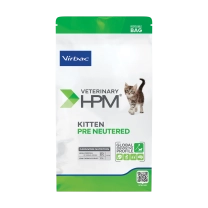
Kitten Pre Neutered
Virbac Kitten Pre Neutered food is designed for kittens from weaning until neutering, when growth is fast and nutritional needs are high.
Its high-protein, balanced-carbohydrate formula provides high-quality animal protein to support healthy muscle development, DHA to support brain development and balanced minerals for healthy bones.
It also helps support healthy digestion and natural defences while your kitten's digestive and immune systems continue to develop.
Junior Neutered
Virbac Junior Neutered food is designed for kittens after neutering until they're ready to transition to an adult diet.
After neutering, your cat’s appetite often increases while their energy needs decrease. Its high-protein formula is adapted to support continued healthy growth while helping maintain a lean, healthy body condition.
It also provides digestive and urinary support tailored to the changing needs of young neutered cats.
Whether your kitten is still growing before neutering or has moved into the junior stage, choosing nutrition that's tailored to their current needs can help support healthy development at every step.
Supporting your cat through every life stage
Your kitten’s nutritional needs will continue to change over time. After the growth phase, your cat will move into adulthood and later into senior life. Choosing food adapted to each stage helps support:
- Healthy body condition
- Long-term wellbeing
- Comfort and vitality
This is why we’ve developed our range of vet-aligned adult cat food, including wet and dry options, to support your pet’s needs as they grow.
We also have senior cat food for them to move on to as they progress towards their later years.
Shop our Virbac kitten food range
Feeding your kitten with the right kitten food is one of the most important steps you can take to support healthy development. With the right nutrition, you can help support your pet’s steady growth, digestive comfort and immune development.
By understanding your kitten’s needs at each stage, you can make feeding decisions with confidence.
Explore our Virbac kitten and junior food range on this page to support your cat’s healthy growth from the very start.
Kitten food FAQs
When should a kitten start eating solid food?
Weaning is a gradual process where kittens move from milk to solid food. From four weeks of age they can start to be gradually introduced to wet or soaked food and by eight weeks of age your kitten should be solely on solid food. The transition should be slow and supported with appropriate kitten nutrition.
When should I switch to adult cat food?
At Virbac, our vets recommend the majority of cats transition to an adult diet at the age of 12 months. For young cats under the age of 12 months who’ve been neutered, it’s recommended to consider an appropriate diet post neutering to help manage a reduction in energy requirements. Our Veterinary HPM Junior Neutered food is aimed for cats from neutering up until 12 months of age.
Is dry or wet food better?
There’s no right or wrong answer to this. Both dry and wet food can support your kitten, it depends on your pet and circumstances. A combination of the two can also provide balance between hydration, routine and variety.
Can kittens drink milk?
Kittens don’t typically digest lactose well after weaning. Despite popular belief, regular cow’s milk isn’t generally suitable for cats and may cause digestive discomfort.
How do I know if I’m feeding my kitten correctly?
Always use the feeding guidelines listed on your food packet as a guide for the daily amount for your kitten. During the growth period we recommend you weigh your kitten regularly to ensure they’re being fed the right amount for their age and bodyweight. Close monitoring of growth, body condition and appetite are helpful markers. If you need any additional support or clarification, contact your vet for further guidance.