What is hypoallergenic dog food?
Hypoallergenic dog food is specially formulated to reduce the chance of triggering a reaction in dogs with suspected or diagnosed food allergies or intolerances.
These diets are often used when your vet wants to understand whether food could be contributing to your dog’s symptoms. Food-related reactions may affect the skin, digestion or both, but the signs can look similar to other concerns, including environmental allergies.
This is why Virbac hypoallergenic dog food is often used as part of a structured food trial. Your vet can help you decide whether this is the right next step and how long your pet should stay on the diet.
Hypoallergenic dog food may be suitable when your dog needs:
- a carefully controlled diet
- support during a food trial
- help managing diagnosed food intolerances
- a complete dry food formulated for allergy management
When might a vet recommend hypoallergenic dog food?
A vet may recommend hypoallergenic dog food when your dog has signs that may be linked to a food allergy or intolerance, such as:
- red or itchy skin
- licking paws
- recurring ear issues
- hair loss
- vomiting
- diarrhoea
- wind or digestive upset
These signs can have many causes, so it’s important not to assume food is the reason. If your dog’s symptoms persist, worsen or keep coming back, speak to your vet.
They can help you determine if your pet may need digestive and gastro support dog food if their signs are mainly digestive. Or if they may be better suited to skin and coat support dog food if their concerns aren’t thought to be related to food allergies.
Food allergy vs food intolerance - what’s the difference?
Food allergies and food intolerances can look similar, but they’re not exactly the same.
- A food allergy involves the immune system, meaning your dog’s body reacts to something in their food as if it’s a threat.
- A food intolerance doesn’t always involve the immune system, but it can still cause discomfort.
Both can be linked to skin or digestive signs, including itching, ear issues, vomiting or diarrhoea. Because symptoms overlap with other conditions, it’s best to let your vet guide the next step rather than changing your dog’s diet without expert advice.
What does hydrolysed protein mean?
Hydrolysed protein has been broken down into very small pieces, making it less likely to be recognised by the immune system.
This is why hydrolysed proteins are commonly used in hypoallergenic diets during food trials and the long-term nutritional management of food allergies.
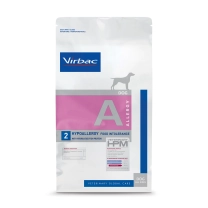
At Virbac, our VETERINARY HPM Hypoallergy Dog Food A2 is formulated with hydrolysed fish protein as part of this veterinary approach.
How food trials work
A food trial helps vets investigate whether your dog’s symptoms may be linked to food.
During a food trial, your dog is usually fed the recommended hypoallergenic diet for a set period. The trial needs to be strict because treats, table scraps, flavoured medicines and other extras can make it harder to understand whether the diet is helping.
Food trials commonly last at least six to eight weeks, although your vet may recommend a different timeframe for your dog.
A typical food trial may involve:
- Speaking to your vet before starting
- Feeding only the recommended hypoallergenic diet
- Avoiding treats, table scraps and incompatible extras
- Continuing for the period recommended by your vet
- Reviewing progress with your vet before making changes
As with anything linked to your dog’s healthcare, make sure you take responsible decisions and consult your vet at any stage if you need to.
Can dogs have treats during a food trial
Usually no, unless your vet has confirmed the treat is compatible with the diet.
Even small extras can affect the outcome of a food trial. Keeping the diet consistent gives your vet a clearer picture of whether food may be contributing to your dog’s symptoms.
Why choose Virbac hypoallergenic dog food?
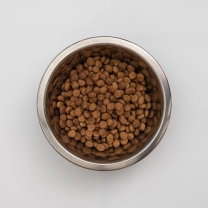
Our Hypoallergy Dog Food A2 is a complete hypoallergenic dry dog food developed for adult and senior dogs with suspected or diagnosed food allergies or intolerances. It’s formulated with hydrolysed fish protein which is broken down to a low molecular weight which is essential for food allergy management. Our Veterinary HPM Allergy A2 also contains a single source carbohydrate potato starch which excludes the presence of protein.
As well as supporting food trials and long-term nutritional management when recommended by your vet, it's formulated to provide complete daily nutrition to support your dog's overall wellbeing. Its highly digestible recipe also helps support skin and digestive health, which are two of the most common areas affected by food allergies.
It may be suitable if your dog needs:
- Support during food trials and long-term allergy management
- Nutritional support for skin and digestive health
- A highly palatable hypoallergenic diet to encourage consistent feeding
You’re not expected to work everything out alone. Your vet can help you decide which dog food is the best choice for your pet’s symptoms, health and daily needs.
Support your dog’s long-term health with Virbac
Virbac hypoallergenic dog food can support dogs with suspected or diagnosed food allergies or intolerances, especially when used as part of a structured food trial.
Our Hypoallergy Dog Food A2 is formulated with hydrolysed fish protein and designed to support allergy management.
Choose the right product size for your pet’s needs and speak to your vet if you’re unsure which diet is most suitable for your pet.
FAQs about hypoallergenic dog food
What is hypoallergenic dog food?
Hypoallergenic dog food is specially formulated with a reduction of ingredients to support dogs with suspected or diagnosed food allergies or intolerances. A vet may recommend it as part of a food trial to investigate whether food is contributing to your dog’s symptoms, or for long-term allergy management.
When might my dog need hypoallergenic dog food?
Your dog might need hypoallergenic dog food if your vet suspects a food allergy or intolerance. Often this is established through taking a diet history from you as the owner, and identifying common recurring skin or digestive concerns.
What’s the difference between a food allergy and a food intolerance?
A food allergy occurs when the immune system mistakenly identifies a specific food item as a threat, triggering an immune response. An allergy often prompts a quick response even when exposed to a small amount. An intolerance is a non-immune response which causes a localised reaction and often hints more towards the body's inability to process that particular ingredient. Both can be characterised by skin or digestive signs.
What does hydrolysed protein mean in dog food?
Hydrolysed protein means the protein has been broken down into very small pieces to achieve a low molecular weight. This is important because it means the body is less likely to be able to detect the protein as a threat. At Virbac, our Veterinary HPM Hypoallergy Dog Food A2 uses hydrolysed fish protein to support its role in food trials and allergy management.
How long does a dog food trial take?
A dog food trial commonly lasts at least six to eight weeks, but your vet may recommend a different timeframe. The trial needs to be followed carefully so your vet can assess your dog’s response.
Can I give my dog treats during a food trial?
Not usually, unless your vet says the treat is compatible with the diet. Treats, scraps and flavoured extras can affect the outcome of the food trial, even in small amounts.
Is a hypoallergenic diet suitable for dogs with skin or digestive symptoms?
Virbac hypoallergenic dog food can help support your dog if their symptoms are associated with a food allergy or intolerance. These signs can also have other causes, so speak to your vet if symptoms continue or worsen.
Can you feed hypoallergenic dog food to your pet long term?
Hypoallergenic dog food may be suitable for long-term management when recommended by your vet. Your vet can advise whether it’s right for your dog’s needs, symptoms and overall health.