

At a glance
- Effective flea treatment for dogs must target both your dog and your home, as most fleas live in the environment, such as your pet’s bedding, soft furnishings and the areas where your dog spends the most time.
- Fleas can cause itching, skin irritation and, in some dogs, allergic reactions such as flea allergy dermatitis.
- You may still see fleas after treatment because immature stages continue developing in your home. Using an environmental treatment that targets both juvenile and adult stages can help you bring an infestation under control more effectively.
- Flea treatments for dogs include spot-ons, tablets, collars and sprays, with the right option depending on your dog’s needs.
- Breaking the flea lifecycle requires treating all pets and hoovering your home regularly.
- Dogs that stay indoors can still get fleas, so regular prevention is important.
If your dog is scratching more than usual or you’ve spotted fleas, you’re not alone. And though it’s not fun, there’s certainly no need to panic. Quick and effective treatments are available.
However, many dog owners feel frustrated when flea treatment doesn’t seem to work. In most cases, this happens because fleas continue to develop in carpets, bedding and soft furnishings.
The most effective flea treatment for dogs involves treating both your dog and your home at the same time.
Keep reading to find out more as we guide you through what flea treatment for dogs works, why flea treatment may appear to fail, how to get rid of fleas on dogs and in your home, and how to choose the best flea treatment for dogs in the UK.
What are fleas and why are they a problem for dogs?
Fleas are small parasites that feed on the blood of animals. Once on your dog, they reproduce quickly and can spread throughout your home.
Dogs can pick up fleas from other animals, outdoor environments or contaminated indoor spaces. Indoor dogs can be affected, as flea eggs can be brought into the home on clothing or other pets.
Fleas can cause:
- persistent itching and discomfort
- irritated or inflamed skin
- hair loss
- flea dirt (small dark specks in the coat)
Some dogs can develop flea allergy dermatitis, where even one bite causes a strong reaction. Fleas can also transmit tapeworms and in severe cases lead to anaemia, especially in puppies or vulnerable dogs.
This is why choosing the right flea treatment for dogs early is important for your dog’s comfort and health.
Understanding the flea life cycle and why infestations persist
It helps to understand how fleas develop so you can choose an effective dog flea treatment.
The four stages of the flea life cycle
The flea life cycle for dogs has four stages: egg, larva, pupa and adult. Only adult fleas live on your dog, while most of the infestation develops in your home.
- Eggs: Laid on your dog but fall into carpets, crevices in floorboards, bedding and furniture
- Larvae: Live in dark areas and feed on organic material
- Pupae: Develop inside cocoons and can remain dormant for months, even up to 1-2 years
- Adult fleas: Emerge and jump onto your dog to feed
Because most of the flea population exists in the environment, treating your dog alone will not stop the infestation.
Why fleas keep coming back after treatment
If flea treatment is not working for your dog, it’s often because:
- eggs and larvae remain in the home
- new fleas continue to emerge
- the flea life cycle has not been fully broken
This is why a combined approach is essential. It is very important not to re-treat your pet before the recommended period as you will risk overdosing your pet.
Types of flea treatment for dogs
There are several dog flea treatment options available. Each option targets fleas in a different way, and the best approach combines treating your pet and their environment.
Spot-on flea treatments
Spot-on treatments are applied to your dog’s skin and spread across the surface to kill fleas and ticks.
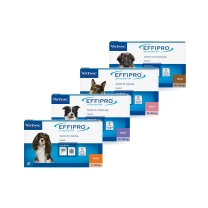
They usually provide protection for several weeks. Products such as Effipro Spot-On for Dogs are designed to kill fleas and ticks and can support ongoing flea control when used as directed.
Oral tablets or chewable treatments
Oral flea treatments work systemically. Fleas are killed when they bite your dog. These treatments are often fast-acting and can be useful when quick control is needed.
Flea collars and shampoos
Flea collars can provide longer-term prevention. Shampoos help remove fleas already on your dog but usually do not break the flea life cycle on their own.
Household flea treatments
To treat fleas in the home, environmental products are essential.
Household flea sprays which contain an IGR (Insect Growth Regulator) can target eggs, larvae and newly hatched fleas in carpets and furniture. Some products also include ingredients that kill adult fleas, helping to address multiple stages of the flea lifecycle.
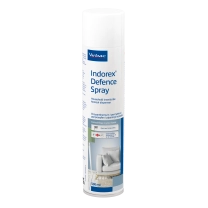
Products such as Indorex Defence Household Flea Spray help support flea control by treating the home environment and are effective against adult and immature life cycle stages.
Which option is right for your dog?
In most cases, no single product solves the problem on its own.
The most effective flea treatment for dogs combines:
- a treatment for your dog (such as spot-on or oral)
- a treatment for your home environment
- consistent and regular treatment
This combined approach helps break the flea life cycle and reduces the risk of reinfestation.
How to choose the right flea treatment for your dog
The best flea treatment for dogs in the UK depends on your dog’s individual needs.
Factors to consider
When choosing a treatment, think about:
- your dog’s age and weight
- lifestyle and exposure to other animals
- existing health conditions
- bathing or swimming habits
- whether you have multiple pets
A veterinary professional can help you choose the most suitable flea prevention plan for dogs in the UK. Supporting overall health, including your dog’s nutrition, also plays a role in long-term wellbeing.
Safety considerations for dog and cat households
Some dog flea treatments contain an active ingredient called permethrin, which is toxic to cats.
If you have both dogs and cats, always:
- use species-specific products
- follow instructions carefully
- avoid cross-contact after application if necessary
Why does flea treatment for dogs sometimes not work?
It can be frustrating when flea treatment doesn’t seem effective.
If your flea treatment isn’t working for your dog, common reasons include:
- flea eggs and larvae are already in the home
- missed or inconsistent treatment schedules
- only one pet being treated in a multi-pet household
- incorrect application
Flea treatment works best when used consistently and combined with environmental control.
How to get rid of fleas in your home
To fully manage fleas, you need to treat both your dog and your home.
Steps to break the flea cycle
To treat fleas in the home effectively:
- vacuum carpets, rugs and furniture regularly
- wash pet bedding at a minimum of 60 degrees
- treat all pets at the same time
- use household flea spray to target flea larvae, eggs and adult fleas
Products such as Indorex Defence Household Flea Spray can help target flea stages in the home and support long-term control.
Why environmental treatment matters
Most fleas live in your home rather than on your dog. In fact, around 95% of a flea infestation exists in the home environment, with only about 5% present as adult fleas on your pet. Treating your home helps stop new fleas from emerging and restarting the cycle.
When should you speak to a vet about fleas?
Although we offer plenty of expert advice on dog care, you may need veterinary advice if:
- your dog has a severe or ongoing infestation
- there are signs of skin infection
- your dog shows signs of flea allergy dermatitis
- your dog is very young, older or has health conditions
If you’re unsure, it’s always appropriate to seek advice from your vet early. They can help identify the cause and recommend the most suitable treatment.
How to protect your dog from fleas moving forward
Fleas are a common problem, but they can be managed with the right approach.
Understanding the flea life cycle is key. Because most fleas live in your home, effective flea treatment for dogs should always include both the pet and the environment.
Choosing the right treatment, using it consistently and taking steps to prevent reinfestation can make a real difference to your dog’s comfort and wellbeing.
Explore our flea treatments to help protect your dog and your home, or speak to your vet for tailored advice.
Flea Treatments
-
Family-packshot_Effipro-Spot-On.jpg 
Effipro Spot-On For Dogs - Flea & Tick Treatment
Details

Common questions about flea treatment for dogs
What is the best flea treatment for dogs in the UK?
The best flea treatment for dogs depends on your dog’s age, lifestyle and health. Spot-on treatments, tablets and collars can all be effective. A vet or trained adviser can help you choose the most suitable option.
How often should I give my dog flea treatment?
Most flea treatments are applied monthly, but this depends on the product. Always follow the instructions provided or ask your vet for guidance.
Why does my dog still have fleas after treatment?
Fleas may still appear after treatment because eggs, larvae and pupae remain in your home. As they develop into adult fleas, they can reinfest your dog. Treating both your dog and your home helps break this cycle.
Do indoor dogs still need flea treatment?
Yes. Fleas can enter your home on clothing, shoes or other pets. Even indoor dogs can be exposed, so regular flea prevention is still important.