
At a glance
- Most cats can benefit from regular cat flea treatment, including indoor cats, because fleas are common and easy to bring into the home.
- Indoor cats can pick up fleas from clothing, other pets, wildlife or flea eggs already in carpets and furniture.
- Common signs of fleas in cats include scratching, overgrooming, irritated skin, hair loss and flea dirt in the coat.
- Flea treatment for cats works best when you treat both your cat and your home, as most of the flea life cycle happens indoors.
- Cat flea treatment options include spot-ons, tablets, collars and sprays, and the right choice depends on your cat’s age, weight, health and lifestyle
- Fleas can return after treatment if eggs in your home keep hatching or treatment isn’t used consistently.
Wondering whether your cat really needs cat flea treatment? It’s a fair question. Many owners assume fleas are only a problem for cats that go outside or wander far and wide. In reality, fleas are one of the most common parasites affecting cats in the UK, and they can affect both indoor and outdoor pets.
All cats can benefit from regular flea treatment, including indoor cats, because fleas are common and easy to bring into the home.
Fleas spread easily. They can hitch a ride into your home on clothing, other pets or even visiting animals. Once inside, they multiply quickly and settle into flooring, crevices, carpets, bedding and soft furnishings. A small problem can turn into a full infestation before you realise it.
Early treatment and prevention can stop this from happening. This guide will help you understand whether your cat needs flea treatment, how fleas spread and how to choose the right protection.
Do cats need flea treatment?
All cats can benefit from regular flea treatment because fleas are common and can quickly infest your home.
Even a single flea can start an infestation, as fleas reproduce quickly. Once they’re present, they can spread rapidly and become much harder to control. This is why preventative treatment is often simpler and more effective than trying to eliminate fleas later.
The best flea prevention and treatment plan for your cat can depend on a few things, including:
- Their lifestyle, including how much time they spend outdoors
- Exposure to other animals
- Your home environment
- Advice from your vet
For many owners, routine flea prevention for cats forms part of general pet care. It helps prevent discomfort for your cat and stops fleas from spreading around your home.
Do indoor cats need flea treatment?
This is a common question and the answer is yes, indoor cats can also become infested with fleas.
Even if your cat never goes outside, fleas can still find their way in. They don’t need much opportunity to spread.
Fleas can enter your home in different ways, such as:
- On your clothing or shoes after being outdoors
- Via other pets that go outside
- From wildlife near your home, such as rodents or foxes
- From flea eggs already present in carpets or furniture
Once inside, flea numbers can increase rapidly. Carpets, bedding and upholstery are ideal environments for the juvenile life cycle stages to grow and develop into adults, ready to jump onto your cat to feed. This means indoor cats can still be exposed without ever leaving the house. Flea pupae can also lie dormant for up to a year or more.
If fleas are detected, treating your cat alone may not be enough. You may also need a household flea treatment for cats to deal with the environment. For example, products such as Indorex Defence Household Flea Spray can help control fleas in the home as part of a complete approach.
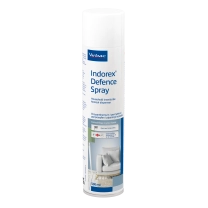

Indorex Defence: 12-Month Household Flea Spray
DetailsHow cats get fleas
Understanding how fleas spread can help you protect your cat more effectively. It also reassures many owners that infestations are not unusual.
- Common ways cats pick up fleas include:
- Direct contact with other animals
- Exploring outdoor areas such as gardens or parks
- Fleas being carried indoors on clothing or footwear
- Fleas already living in flooring, crevices, carpets, rugs or soft furnishings
It’s important to remember that fleas aren’t a sign of poor hygiene. Even clean homes and well-groomed cats can experience flea problems. Fleas are opportunistic and will settle wherever they find a suitable host.
This is why ongoing flea prevention for cats is important, even in the cleanest of homes.
Signs your cat may have fleas
Recognising the early signs can help you act quickly and reduce the spread. Knowing how to treat fleas on cats starts with spotting the problem.
Common symptoms include:
- Frequent scratching or restlessness
- Excessive grooming or biting at the skin
- Hair loss, especially around the neck or tail base
- Red or irritated skin
- Flea dirt in the coat
Quick check: If your cat is scratching more than usual and you notice small black specks in their coat, fleas are a likely cause.
Flea dirt looks like small black specks, but it’s actually flea droppings made up of digested blood. You may notice it when brushing your cat or on their bedding. If placed on damp paper, it can turn reddish brown.
Some cats show very few symptoms, especially in the early stages. This is why regular checks are important along with ongoing flea prevention for cats.
To manage fleas properly, it helps to understand the flea life cycle in cats.
Most fleas live in your home, not on your cat
This is why infestations can continue even after treatment.
Fleas go through four stages:
- Eggs
- Larvae
- Pupae
- Adult fleas
Adult fleas live on your cat, but most of the life cycle happens in your home. Eggs fall off into carpets and bedding, where they develop into larvae and then pupae before emerging as adult fleas.
Only treating your cat may not fully solve the problem. New fleas can continue to emerge from the environment.
Effective flea control usually involves:
- Treating your cat
- Treating your home
- Repeating treatment if needed
- Using regular flea treatment on your cat
Environmental products such as Indorex Defence Household Flea Spray can help break the cycle by targeting fleas in the home.
Indorex Defence: 12-Month Household Flea Spray
DetailsChoosing the right cat flea treatment
There are several options when it comes to flea treatment for cats in the UK. The best choice depends on your cat’s needs, including age, weight and overall health.
Spot-on treatments
Spot-on treatments are applied directly to your cat’s skin, usually at the back of the neck. They spread across the skin surface and kill fleas on contact. Many options provide protection for several weeks as part of ongoing flea prevention for cats.
An example is Effipro Spot-On for Cats, which is designed to treat and prevent flea infestations as part of a regular routine.
Oral flea treatments
Oral treatments are given as tablets. They work by killing fleas after they bite your cat. This can be useful in certain situations, though they may not provide long-lasting prevention on their own.
Flea collars and sprays
Flea collars and sprays can offer additional support. Some collars provide ongoing protection, while sprays may be used for immediate treatment. Their effectiveness can vary, so it’s important to choose products suited to your cat.
If you’re unsure which option is right, veterinary advice can help you decide on the best flea treatment for cats based on your pet’s lifestyle and health.
Why fleas sometimes return after treatment
Fleas often return because eggs in your home continue to hatch after treatment.
It can be frustrating when fleas seem to come back. This is a common issue and usually linked to how fleas develop and spread.
Reinfestation can happen because:
- Flea eggs in the home hatch after treatment
- The home environment hasn’t been treated
- Treatment schedules haven’t been followed consistently
To reduce the risk, it helps to take a complete approach:
- Treat all pets in your household
- Wash bedding regularly at a high temperature (60 degrees)
- Vacuum carpets and furniture frequently
- Use a suitable household flea treatment
By addressing both your cat and their environment, you’re more likely to achieve lasting control.
Safety tips for flea treatment
Using flea products safely is an important part of responsible pet care, especially when choosing the best flea treatment for cats.
Keep these key points in mind:
- Never use dog flea treatments on cats, as they can be toxic
- Choose age-appropriate treatments for kittens
- Follow dosage and application instructions carefully
- Monitor your cat for any unexpected side-effects
- Speak to a vet if your cat has underlying health conditions
If you’re unsure about any product, professional advice can help you treat your cat safely and effectively.
Protecting your cat and your home from fleas
Fleas can affect any cat, whether they live indoors or spend time outside. With our expert advice and the right flea prevention for cats, you can reduce the risk and avoid larger infestations.
The key is early action and a complete approach. Treating your cat is important, but treating your home is just as essential. Together, this helps break the flea life cycle and keeps your environment comfortable for both you and your pet.
At Virbac, we offer trusted solutions designed to support effective parasite control, backed by expert knowledge and practical guidance.
Explore our flea protection solutions for cats and households today, alongside practical guidance through flea and tick protection for cats.
Common questions about flea treatment for cats
Do indoor cats really need flea treatment?
Yes. Indoor cats can still pick up fleas from clothing, other pets or nearby wildlife. Even without going outside, they’re not completely protected. Regular preventative care helps reduce the risk of infestation and keeps your home flea-free.
What is the best flea treatment for cats?
The best option depends on your cat’s lifestyle, age and health. Spot-on treatments, tablets and collars all have different benefits. A vet can help you choose the most suitable treatment for your cat’s needs.
Why does my cat still have fleas after treatment?
Fleas may still appear after treatment because of the flea life cycle. Eggs and larvae already in your home can continue to develop and hatch over time, even after adult fleas have been treated.
In some cases, it can take around 3 to 6 weeks to fully control a flea infestation in the home. This is why treating both your cat and the home environment is important for long-term flea control.
How often should cats have flea treatment?
This depends on the product you use. Many treatments are applied monthly, while others last longer. Always follow product instructions and veterinary advice to ensure consistent and effective protection.